Seasonal Wildflower Walks & Bird-Watching Guide
Discover when and where to find Ireland's best wildflower displays and which birds to listen for in each season.

Spring: The Wildflower Explosion Begins
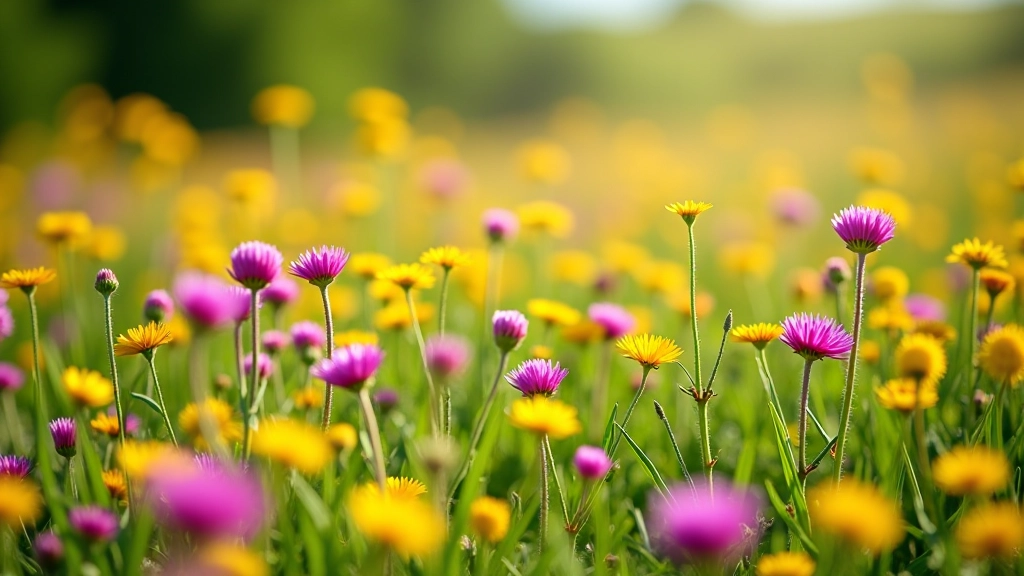
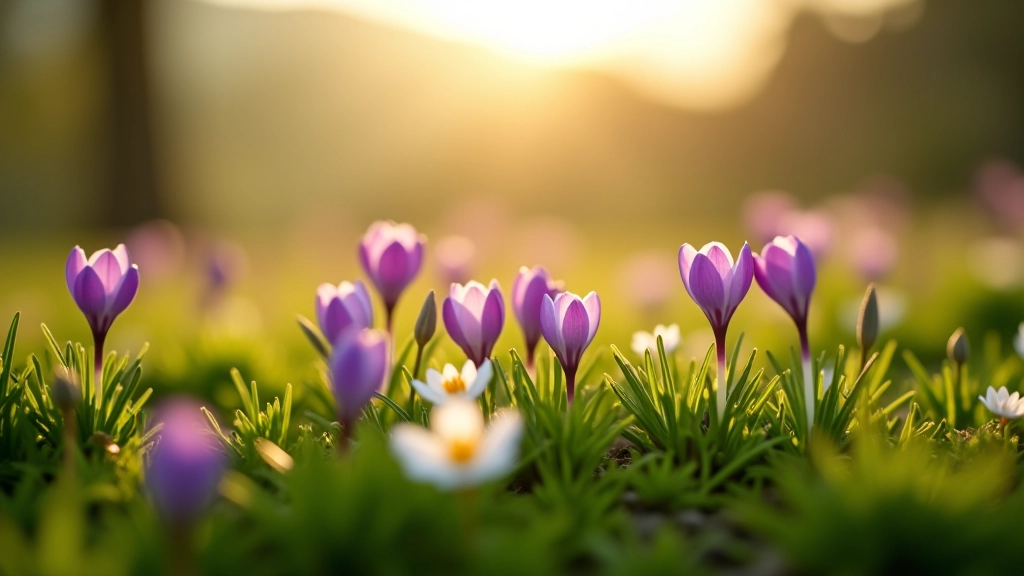
Spring in Ireland doesn't just bring warmer days — it brings an absolute riot of color to the countryside. From late March through May, you'll find wildflower meadows bursting with celandine, primrose, and wood anemones. The Burren in County Clare is particularly stunning during this period, with rare species you won't find anywhere else in Ireland.
Bird-watching in spring is phenomenal. You're not just seeing the year-round residents anymore. Migrants are arriving back from Africa, and the soundscape changes completely. Listen for the distinctive call of the cuckoo — it's one of the most reliable signs that spring has truly arrived. Chiffchaffs start their repetitive two-note song, and if you're lucky near water, you might spot a wheatear perched on a stone wall.
Pro tip: Visit the Burren in early April when the orchids are just starting to bloom. Early morning visits (before 9 AM) give you better light and fewer other walkers to disturb the birds.
Summer: Peak Wildflower Season and Nesting Birds
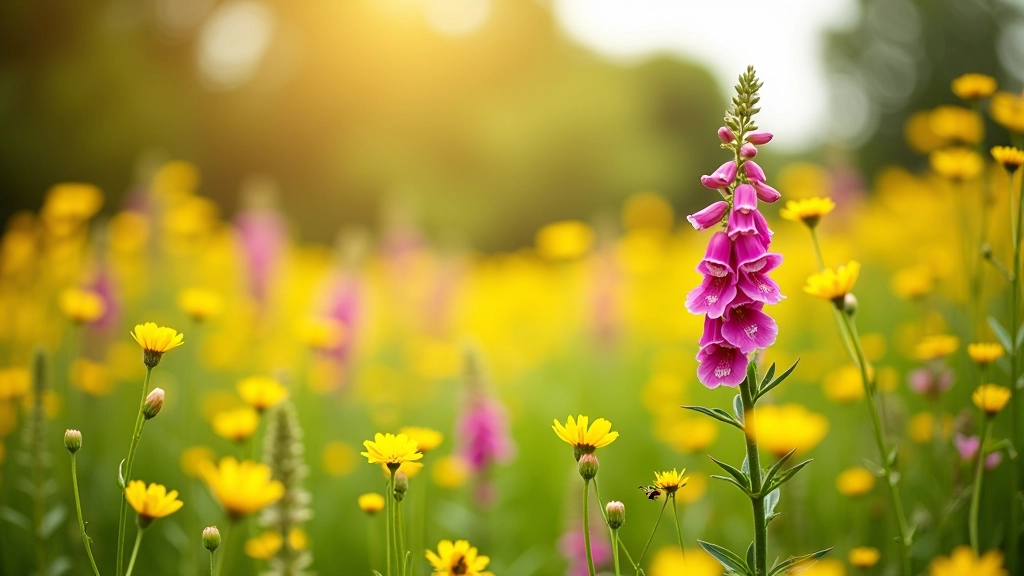
June and July are when Ireland's wildflower meadows reach their absolute peak. Foxgloves tower above buttercups, clover spreads across grassland, and if you're visiting the west coast, you'll see the distinctive purple-pink blooms of bird's-foot trefoil. The Dingle Peninsula and West Cork have some of the most spectacular displays, especially around lesser-visited valleys.
Summer's the trickiest season for bird-watching though. The birds are busy nesting and feeding chicks — they're less vocal and more secretive. But you'll see things you won't see any other time of year. Kestrels hover above grassland hunting for prey. Skylarks sing from high above the meadows (listen for that distinctive bubbling trill). And if you're really lucky, you might spot a corncrake, though these are rare now in most areas.
- Best wildflowers: Foxgloves, buttercups, bird's-foot trefoil, ragged robin
- Birds to listen for: Skylarks, kestrels, meadow pipits
- Best time to visit: Early morning when it's cooler and birds are more active
Nature reserve guidelines: This guide is informational for recreational walks. Always check with local reserves before visiting — some areas have seasonal closures during nesting season (typically April through July) to protect ground-nesting birds. Respect all barriers and signage. Bird-watching and wildflower photography require patience and quiet observation — avoid playing music or making loud noises that disturb wildlife.
Autumn: Changing Colors and Returning Migrants
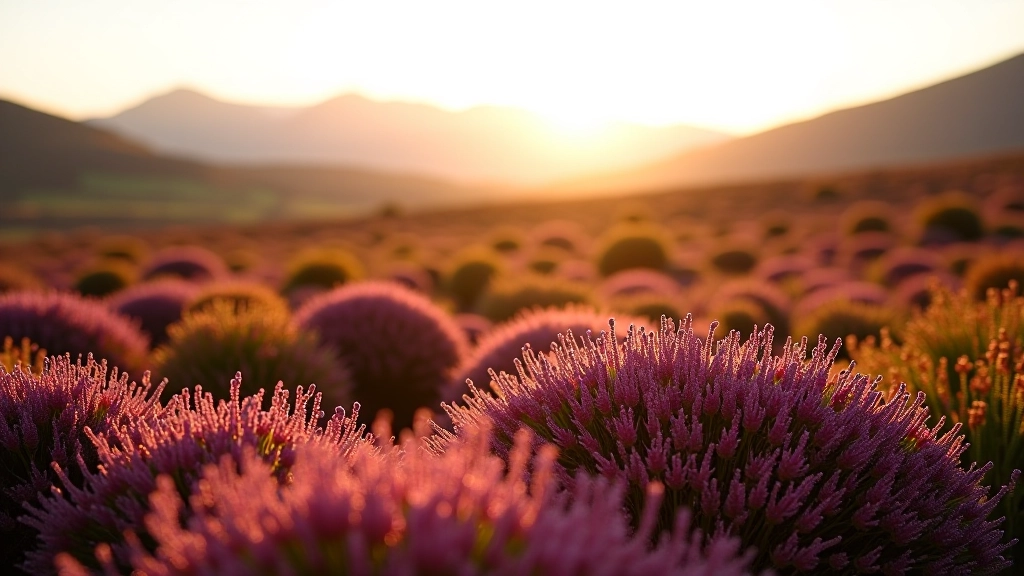
August through October brings a completely different atmosphere. The wildflower display shifts — you'll see heather on moorlands, particularly in areas like the Wicklow Mountains, and late-blooming species like sneezewort and devil's-bit scabious. The quality of light changes too, becoming golden and slanted, which is perfect for photography if you're documenting what you see.
This is when bird migration gets really interesting. Warblers and flycatchers that spent summer here are heading back south. New arrivals from northern Europe are passing through — redwings and fieldfares start appearing in late September. You'll notice the overall bird activity increases noticeably compared to summer. Coastal areas become excellent for spotting migrating seabirds, and wetland reserves fill with visiting ducks and geese.
27
Warbler species pass through Ireland in autumn
40+
Wildflower species bloom in autumn meadows
Winter: Quiet Beauty and Winter Visitors
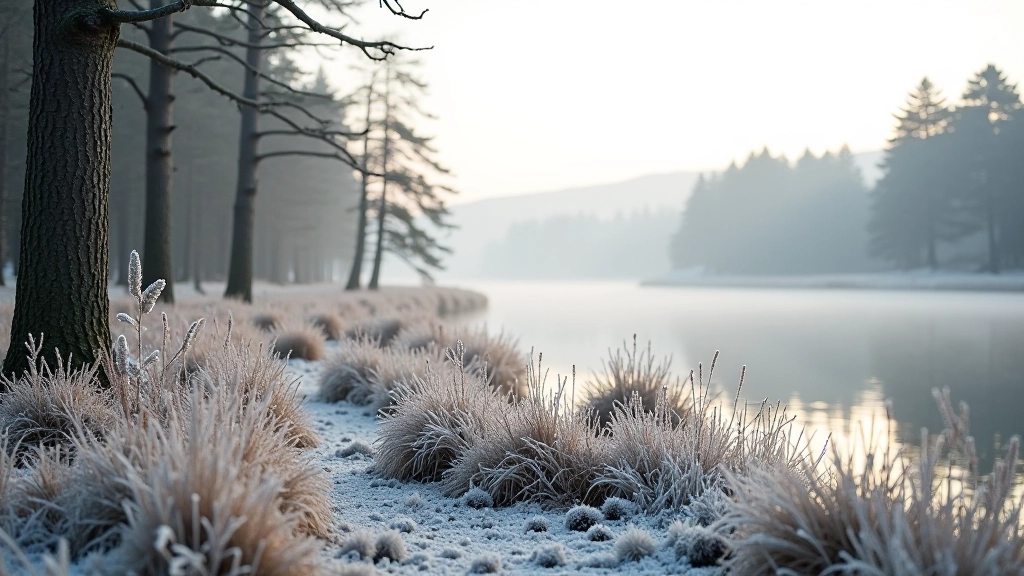
Winter's the overlooked season for wildflower walks, but there's still plenty to appreciate. Evergreen species remain, particularly in woodland settings. Winter heather blooms, and you'll spot hardy plants that most people miss during the busier months. The real advantage? You'll have the landscape to yourself. Fewer people means you're more likely to see wildlife undisturbed.
Bird-watching becomes more rewarding in some ways. Winter brings visiting birds from even further north — redwings, fieldfares, and waxwings from Scandinavia. Goldcrests work through the branches with their characteristic high-pitched calls. Woodpigeons become more visible since there's less foliage to hide in. The quiet of winter makes hearing bird calls easier — you don't have the background noise of summer insects and activity.
Bundle up warm, bring a thermos of something hot, and you'll discover that winter walks have their own special appeal. The bare trees give you better visibility. The crisp air seems to carry sounds further. And honestly, there's something peaceful about exploring a winter landscape without the crowds.
Getting Started With Your Own Walks
You don't need fancy equipment to start exploring Ireland's wildflower meadows and watching birds. A good pair of walking boots, a simple field guide (or your phone with a wildflower ID app), and binoculars if you have them. The real key is spending time outdoors with curiosity and patience. Bring a notebook if you're keen — documenting what you see across seasons helps you understand the patterns and notice changes year to year.
Start with one location and visit it throughout the year. You'll develop an intimate understanding of that place in a way you won't if you're always chasing different spots. Whether it's a small forest near your home or a drive to a proper nature reserve, consistency reveals things that single visits never will. The birds will become familiar. You'll recognize returning species. And you'll develop a real connection to the rhythms of nature across the Irish seasons.
Explore more nature retreats and peaceful places to spend your afternoons in Ireland.
Browse All Nature RetreatsMore Nature Retreats to Explore