Mindfulness in Nature: Simple Exercises Among Trees
Learn grounding techniques and breathing exercises you can practice while walking forest trails or sitting by the water.

Why Nature Changes Everything
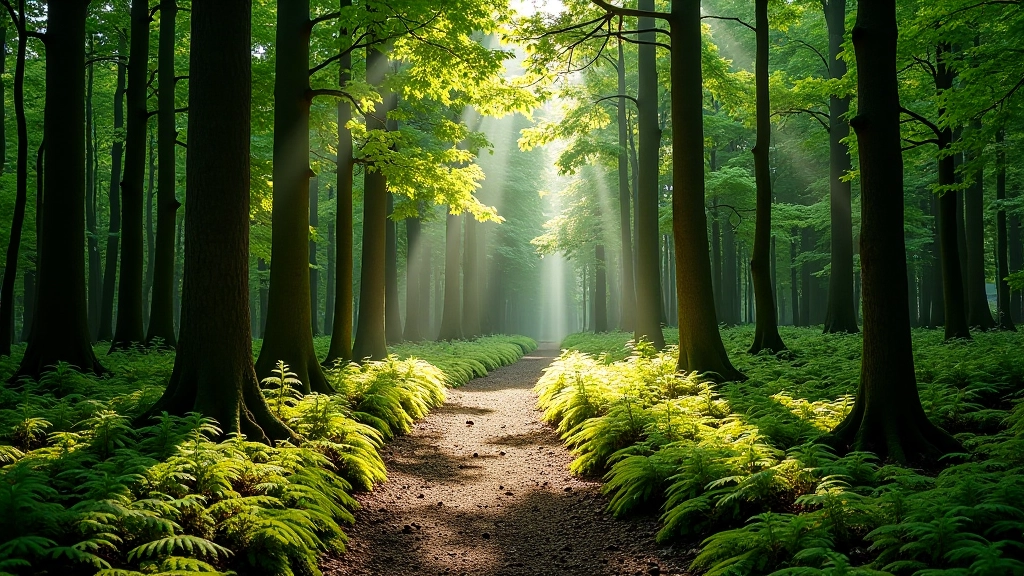
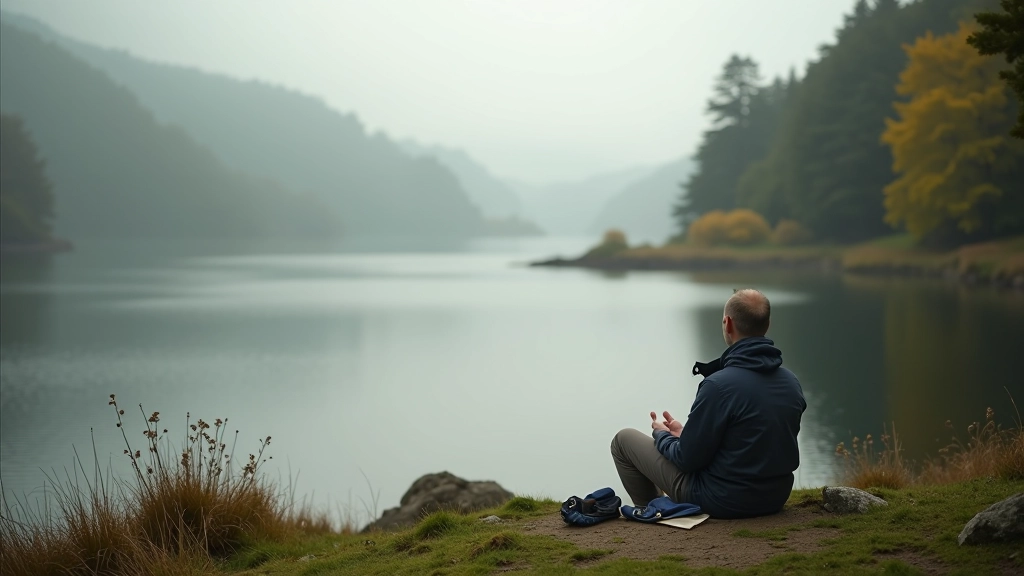
There's something about being surrounded by trees that just works. You don't need a quiet meditation room or special equipment — just yourself, the outdoors, and a few simple techniques. Whether you're standing on a forest path in Wicklow or sitting by a lake in Kerry, nature's already doing half the work. Your job is to show up and practice.
The exercises in this guide are designed for real people in real outdoor settings. They're not complicated. You won't need to sit perfectly still or achieve some mystical state. Most people notice a difference after just a few sessions, though everyone's experience is different. What matters is consistency and paying attention to what's actually happening around you.
The 5-4-3-2-1 Grounding Technique
This is probably the most practical exercise you can do anywhere outdoors. It takes about 5 minutes and works by anchoring you to your immediate surroundings through your senses. Here's how it works:
1
Notice 5 Things You See
Look around slowly. Really look. The moss on a tree trunk. A bird perched on a branch. Shadows between leaves. Clouds moving. Flowers you hadn't noticed. Pick five distinct things and spend a moment on each one.
2
Identify 4 Things You Can Touch
Feel the bark of a tree, smooth stone, soft moss, or cool grass. Actually touch them. Pay attention to texture, temperature, and how it feels against your skin. Don't rush this part.
3
Listen for 3 Sounds
Close your eyes if it helps. Wind through branches. Water flowing. Bird calls. Rustling leaves. Don't judge the sounds or try to label them immediately — just listen.
4
Notice 2 Smells
Breathe slowly. Wet earth. Pine needles. Flowers. Grass after rain. Your brain's smell center connects directly to memory and emotion — you might find yourself remembering things unexpectedly.
5
Taste 1 Thing
Fresh air. Your own breath. A piece of fruit you brought. Notice the flavor without judgment. This brings your awareness full circle.
Most people find their mind settles after this exercise. The busywork of thinking — worries, plans, that conversation from yesterday — drops away because you're fully occupied with sensing what's right in front of you.
Box Breathing for Calm
When your mind's racing or you're feeling anxious, box breathing is your reset button. It's used by military personnel, athletes, and anyone who needs to settle their nervous system quickly. It works because it gives your mind something concrete to do.
Here's the pattern: Breathe in for 4 counts. Hold for 4 counts. Breathe out for 4 counts. Hold for 4 counts. Repeat 5 times.
That's it. One complete cycle takes about 16 seconds. Five cycles takes roughly 80 seconds. You can do this sitting, standing, or walking slowly along a path. Your shoulders will drop. Your jaw will relax. You'll notice the tension you didn't realize you were carrying just... leaving.
The beauty of box breathing outdoors is that you can combine it with the sensory work from the 5-4-3-2-1 exercise. While you're breathing, notice what you see. Feel the breeze on your face. Hear the birds. Your nervous system gets a double signal that everything's okay.
Mindful Walking Trails
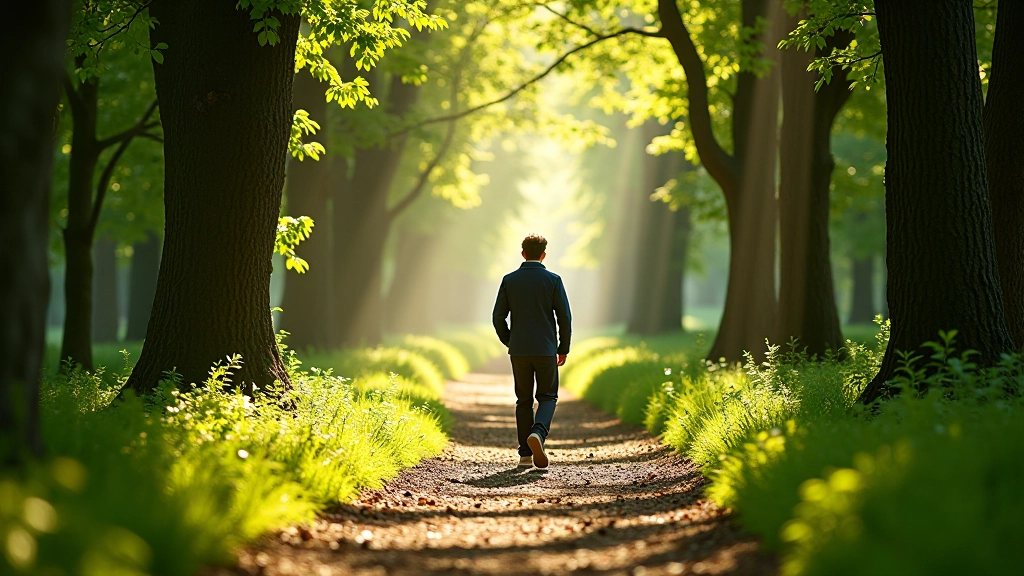
Walking meditation is easier than sitting meditation. Your body has something to do, so your restless mind settles faster. You're not trying to achieve a blank mind — you're just walking and noticing.
Slow Walk Method
Move deliberately slower than your normal pace. Really feel each foot landing. The heel touches first. Then the ball of your foot. Your toes. Notice the ground beneath you — is it soft moss, crunchy leaves, hard earth? This isn't about getting anywhere. It's about the journey itself.
Nature Focus Walk
Choose one thing to focus on as you walk — the texture of bark, the movement of leaves, the shapes of clouds. Let that be your anchor. When your mind wanders to work or plans or worries, gently bring it back to what you chose.
Path Exploration
Walk without a destination. Take turns randomly. Discover paths you haven't noticed. This removes the goal-oriented thinking that keeps you stuck in your head. You're not trying to get somewhere — you're present with wherever you are.
About This Guide
These exercises are for educational and wellness exploration purposes. They're based on established mindfulness practices but aren't substitutes for professional mental health support. If you're dealing with anxiety, depression, or trauma, these techniques can complement professional care — but work with a qualified therapist or counselor alongside them. Always respect your body's signals. Stop if you feel dizzy, ungrounded, or uncomfortable. Nature is powerful. Respect it.
Getting Started: Practical Tips
You don't need the perfect spot or perfect conditions. Start with what you have. A park near your home works. A forest walk counts. Even sitting by a window overlooking trees is a beginning. The key is consistency — these techniques work best when you practice them regularly, not just once in a blue moon.
Start small: Don't commit to an hour outdoors if 15 minutes feels more realistic. Building a habit is about showing up regularly, not about perfect sessions.
Pick a time: Morning walks tend to be quieter. Late afternoon has softer light. Pick whatever time suits your schedule and stick with it.
Leave your phone: Or at least silence it and put it away. The notifications will still be there in 20 minutes. Your mind won't be.
Dress properly: You won't enjoy this if you're cold or uncomfortable. Bring a jumper. Wear shoes with good grip. Small comforts make a huge difference.
After 3-4 weeks of regular practice, you'll notice changes. Your nervous system will settle faster. Stressful thoughts will feel less urgent. You'll actually want to be outdoors, not just doing it because you think you should. That's when you know it's working.
The Real Magic
Mindfulness in nature isn't about achieving some special state or clearing your mind completely. It's about being present with what's actually happening. The wind. The light. Your own breath. The feeling of your feet on the ground.
Ireland's landscapes — the ancient forests, the quiet lakes, the coastal paths — they're all set up perfectly for this work. You're not forcing anything. You're just showing up and letting nature do what it does best: reminding you that you're alive and part of something much bigger than your worries.
Start with one technique. Try it three times. See what happens. You might find yourself naturally coming back to these places, naturally practicing these exercises, naturally feeling calmer. That's not because mindfulness is magic. It's because you're actually paying attention to your life for once.
Related Articles